

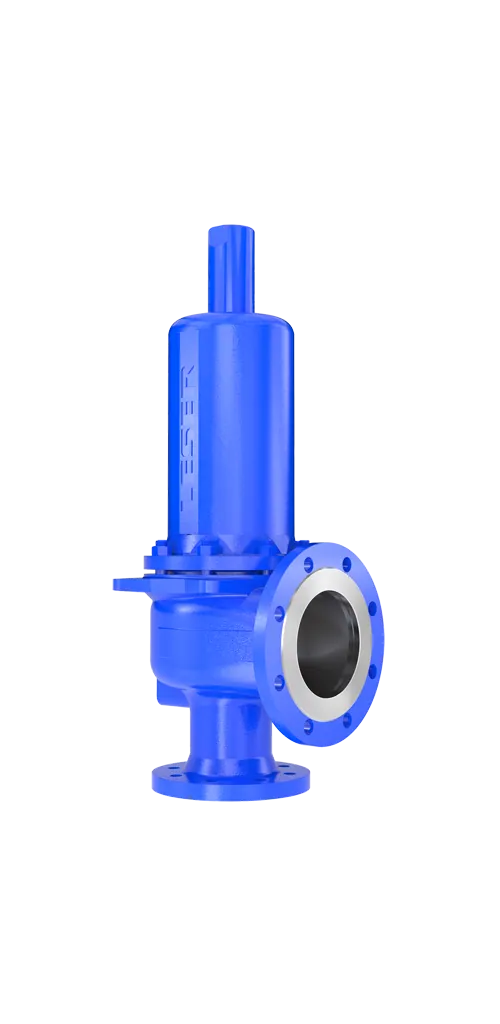
A PSV that did not open in time
In San Juanico, Mexico (1984), an LPG tank exploded and killed more than 500 people. The PSVs were there, but they were undersized for the fire case. That kind of decision — which valve, what capacity, which code — is made on a spreadsheet 6 months into the project, and then stays there for the next two decades.
Getting it right the first time is not optional. This guide sums up, with no filler, which LESER to order for your application.
In 30 seconds: which LESER to order
This is the decision matrix we use internally at Beiton. Find your service in the left-hand column:
| If your service is… | LESER model | Why |
|---|---|---|
| Steam, air, N₂ in a common industrial plant | Type 441 | Local stock, ASME + PED, covers 80% of services |
| Refinery, petrochemical, O&G | Type 526 | The only one that meets API 526 + 527 + NACE |
| LNG, cryogenic, liquid oxygen | Type 459 | Special materials, down to −196 °C |
| Food, pharma, beverages | Type 483 Clean | FDA + EHEDG, CIP/SIP-ready |
| Operating above 90% of the setpoint with no leakage | Type 810 POSV | Pilot operated: tight up to 95–98% |
| A 24/7 process that cannot take shutdowns | Type 320 | Manifold with online changeover |
| Local protection of small equipment | Type 437 | Threaded NPT/BSP, DN8–25 |
| Energy savings while operating at 95% of Pset | Type 488 SLS | Supplementary pneumatic loading, fail-safe |
| Corrosive medium or solids | Rupture disc + 441/526 | The disc protects the PSV |
Your case is not in the table? Send us pressure, flow, medium and temperature — an engineer replies with the type code within 24 h.
The 9 models at a glance
General service
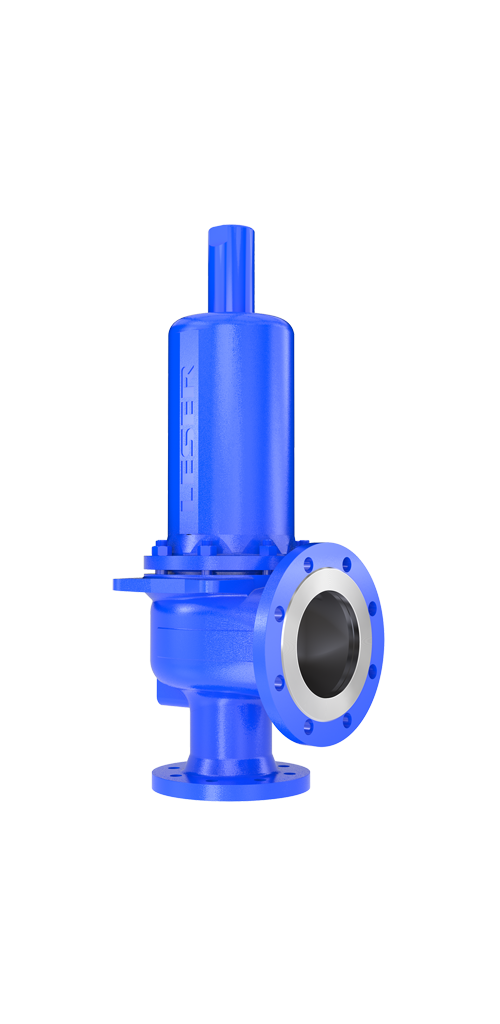
Type 441 — High Performance. The best-selling German PSV in the world. Steam, gas, liquid. DN15–DN100, −60 to +400 °C. ASME Section VIII + PED. Local stock in Panama for the most common configurations.
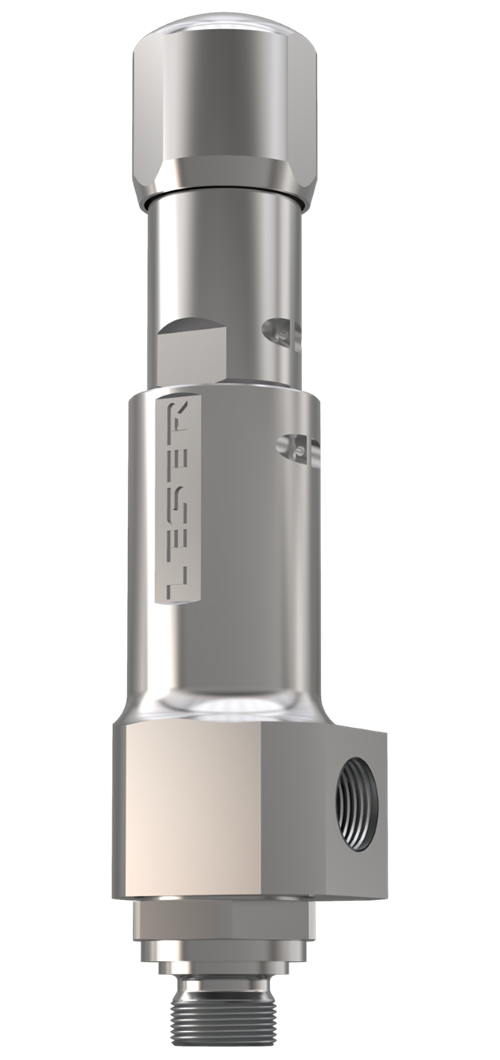
Type 437 — Threaded HP. NPT/BSP connection, DN8–DN25 (1/4” to 1”). High pressure for local protection: heat exchangers, pumps, instruments, control bypasses.
Critical service
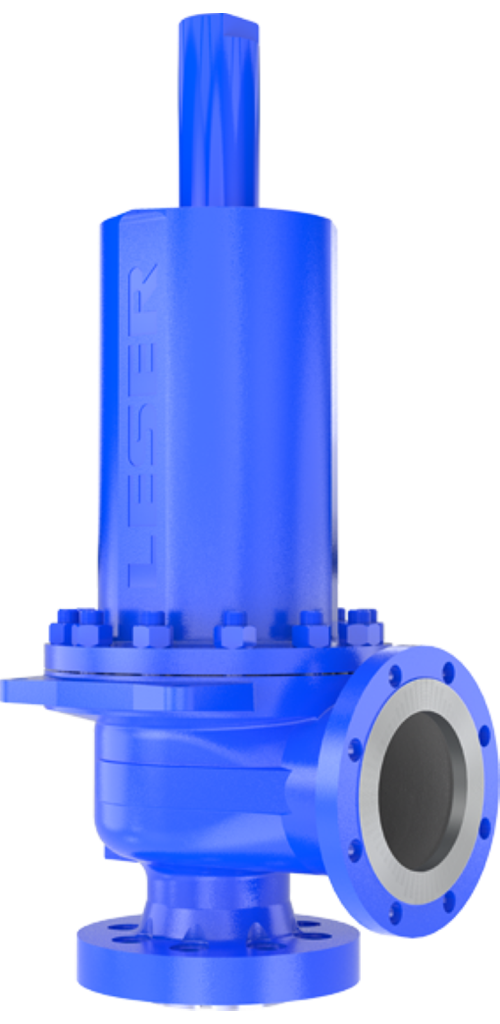
Type 526 — API 526 Full Nozzle. It meets API 526 (dimensions), API 527 (seat tightness) and NACE MR0175 (sour H₂S service). A “full nozzle” body that resists corrosion at the seat. Standard D-T sizes for full interchangeability.
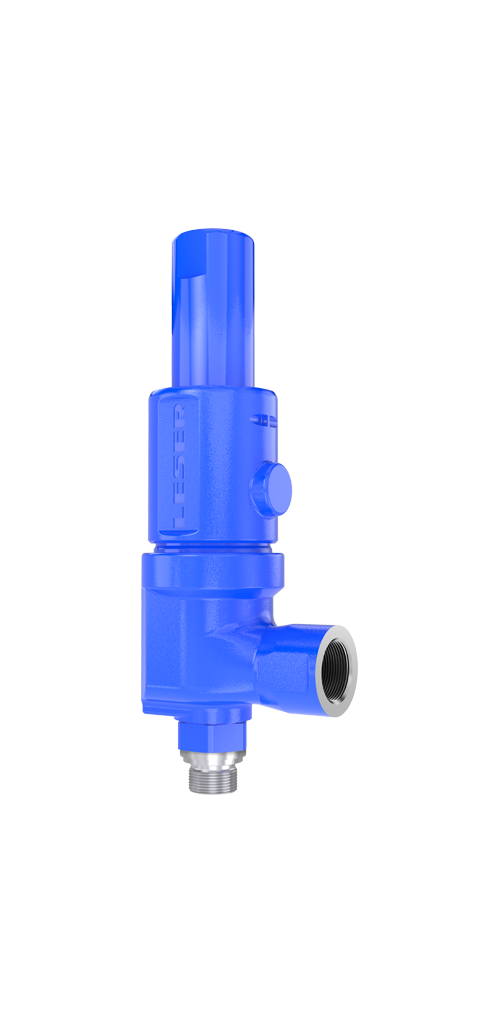
Type 459 — Critical Service. LNG, liquid N₂, liquid O₂ down to −196 °C. High temperature, toxic media, hydrogen. Special materials (Monel, Hastelloy, Inconel), balancing bellows for variable back pressure.
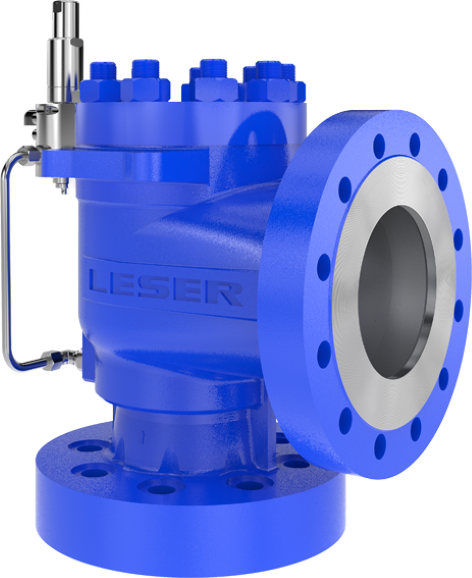
Type 810 — Pilot Operated. The pilot holds the main valve closed against system pressure. It operates at 95–98% of the setpoint with no leakage (vs. 90% for a spring-loaded valve). The choice when normal operation sits very close to the MAWP.
Special applications
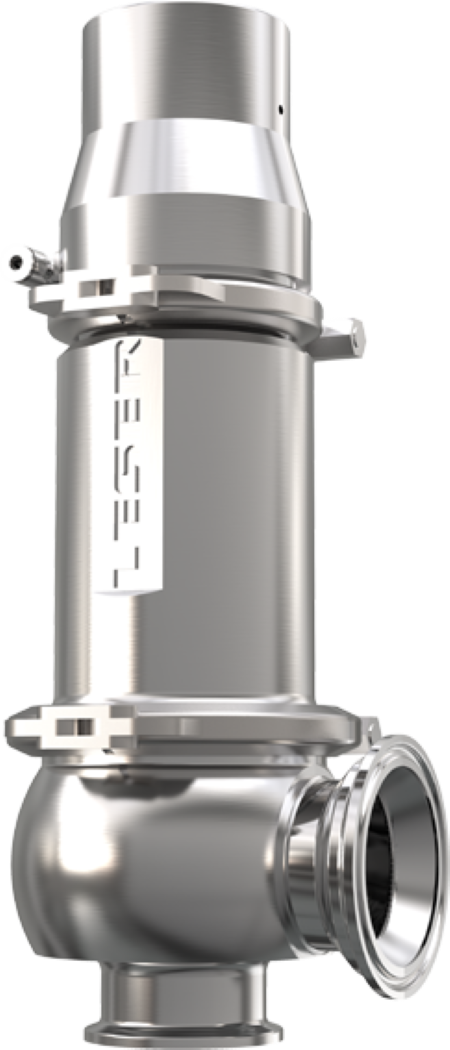
Type 483 Clean Service. Internal finish down to Ra 0.375 µm, tri-clamp, no dead zones. Compatible with CIP/SIP. For breweries, bottling plants, dairies and pharma.
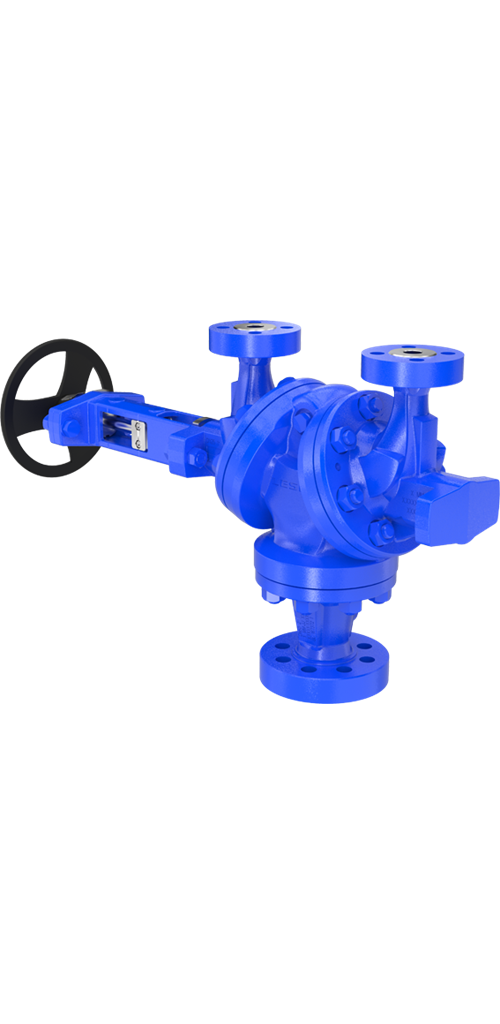
Type 320 — Change-Over. Two PSVs mounted on a manifold with a changeover valve. You can service or recalibrate one while the other stays in line. With no plant shutdown.
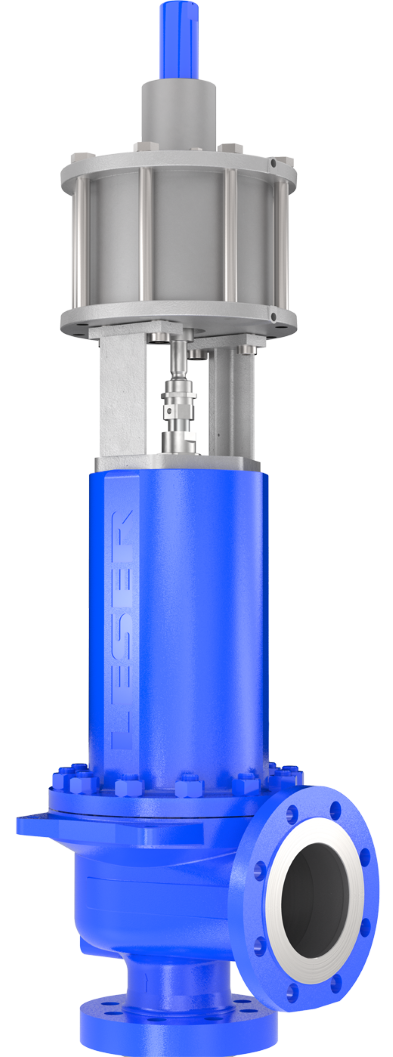
Type 488 SLS — Supplementary Loading System. It temporarily adds pneumatic load to the spring, which allows operation at 95% of Pset with no leakage. If the pneumatic supply fails, it behaves like a conventional PSV: fail-safe.
Rupture Discs + PSV. A disc upstream protects the PSV from corrosion or solids; the PSV provides modulated relief capacity. Between the two, a pressure gauge or a switch detects rupture of the disc.
The 5 data points we need in order to quote
Without those five, nobody can size a PSV. Not Beiton, not LESER.
| # | Data point | What it decides |
|---|---|---|
| 1 | Set pressure (Pset) | Typically = the MAWP of the vessel |
| 2 | Relief capacity | Calculated per API 520; in kg/h or L/min |
| 3 | Medium | Body material (WCB, CF8M, Hastelloy), seat, seal |
| 4 | Design temperature | Spring type, seal, capacity derating |
| 5 | Back pressure | Above 10% of Pset → a POSV or balancing bellows becomes mandatory |
Five mistakes that blow up an audit
What we see most in Panamanian plants. Each one carries a real cost in the insurance policy, in the audit, or in lives:
- Undersized PSV. It was chosen by pipe diameter instead of by capacity. In a real overpressure event it relieves 40–60% of what you need. The pressure rises until rupture.
- Discharge into a trafficked area. A steam PSV can relieve at above 400 °C. If the discharge does not go to a safe area or to a burner, it can literally kill the operator walking underneath.
- Upstream block valve left closed. The PSV ends up isolated and the vessel unprotected. The code requires it car-sealed open under a formal procedure.
- Generic spare parts in a certified LESER. A non-original spring or disc → the ASME stamp is voided. The plant loses the entire certification of the equipment.
- A gas PSV installed on liquid service. Same valve, same setpoint, radically different capacity. It is the most common mistake in poorly documented retrofits.
Certification: which stamp to ask for
LESER can deliver a single valve with cross stamping — ASME + PED + NACE + CRN on the same part. That avoids buying three different valves for an international project that moves between jurisdictions.
The stamps most often requested in Panama: ASME UV (mandatory for ASME vessels), API 526/527 (refinery, O&G), PED (European equipment), NACE MR0175 (H₂S service), FDA + EHEDG (food and pharma). The series we supply are listed on our LESER in Panama page.
Next step
If you have PSVs installed but you do not know whether they comply with ASME, when the last calibration was, or who originally sized them — start with a technical walkdown, part of our industrial instrumentation service. A Beiton engineer visits your plant and verifies that every pressurized vessel has its PSV correctly sized, certified, properly located and with its records up to date.
The result: a report with an inventory, prioritized findings (critical vs. observations) and a budget to close the gaps. It is the fastest way to pass an audit or renew a policy with no surprises.